The short answer is no — dyslexia cannot be permanently cured, because it is a neurodevelopmental learning disorder that affects how the brain processes written language. However, with early diagnosis, specialized education, and targeted interventions, children with dyslexia can significantly improve their reading, writing, and learning abilities.
This article explains symptoms, causes, treatment options, inheritance, careers for dyslexic individuals, and the latest research on overcoming reading and writing challenges.
What is Dyslexia?
Dyslexia is a specific learning disorder that primarily affects reading, spelling, and writing skills, even though a person usually has normal intelligence and learning opportunities.
Research estimates that around 5–15% of the global population has dyslexia, making it the most common learning disability worldwide.
A large meta-analysis found that about 7.1% of primary school children are affected, with boys diagnosed more often than girls.
Common Symptoms of Dyslexia
Symptoms vary depending on age, but typical signs include:
Early childhood symptoms
Difficulty learning letters and sounds
Trouble remembering rhymes or songs
Delayed speech development
Difficulty recognizing simple words
School-age symptoms
Slow reading speed
Difficulty spelling common words
Confusing similar letters (b/d, p/q)
Reading the same line repeatedly
Poor writing organization
Teen and adult symptoms
Difficulty reading aloud
Poor spelling
Trouble summarizing text
Avoidance of reading tasks
Can Dyslexia Be Cured?
Dyslexia cannot be medically cured because it is related to how the brain processes language. However, early intervention can dramatically improve learning outcomes.
Children who receive structured reading support before age 7 often show major improvement in reading and comprehension skills.
Instead of a cure, experts focus on management and skill development.
Can Dyslexia Be Prevented?
Dyslexia cannot be completely prevented because it is largely genetic and neurological. However, early stimulation may reduce the severity.
Helpful early practices include:
Reading to children daily
Phonics-based learning
Language-rich environments
Early screening in preschool
Early detection helps start intervention before academic struggles begin.
Is Dyslexia Inherited? From Mother or Father?
Yes, dyslexia is strongly hereditary.
Studies show that children with a dyslexic parent have a significantly higher risk of developing dyslexia. Genetic factors affect how the brain processes language.
Important points:
Dyslexia can be inherited from either parent
It often runs in families
Multiple genes influence reading ability
So it is not specifically inherited from mother or father alone.
Is Dyslexia More Common in Boys or Girls?
Research suggests dyslexia is more common in boys.
A large meta-analysis found:
Boys: ~9.2% prevalence
Girls: ~4.6% prevalence
This means boys are about twice as likely to be diagnosed.
However, some researchers believe girls are underdiagnosed, so the real gap may be smaller.
Can Dyslexia Get Worse with Age?
Dyslexia does not worsen with age, but its impact may change.
If untreated:
Academic struggles increase
Self-confidence may drop
Work tasks involving reading may become harder
With proper support, many dyslexic individuals develop strong coping strategies and succeed academically and professionally.
Can Dyslexia Be Cured with Glasses?
No. Dyslexia is not caused by vision problems.
Glasses cannot cure dyslexia because the condition is related to language processing in the brain, not eyesight.
However, some children may also have visual tracking issues, and vision therapy may help those specific cases.
Is Dyslexia a Type of Autism?
No.
Dyslexia and autism are different neurological conditions.
| Feature | Dyslexia | Autism |
|---|---|---|
| Main difficulty | Reading and language processing | Social communication |
| Intelligence | Usually average or above | Varies |
| Cause | Language processing differences | Neurodevelopmental differences |
However, some individuals may have both conditions.
Dyslexia Test: How Is It Diagnosed?
Dyslexia diagnosis is done by specialists such as:
Educational psychologists
Speech-language pathologists
Learning disability specialists
Typical tests evaluate:
Phonological awareness
Reading fluency
Spelling ability
Language processing
Memory and comprehension
Early screening can begin around age 5–7.
How to Treat Dyslexia in a Child
The most effective treatment involves structured literacy programs.
Common interventions include:
1. Phonics-based instruction
Teaches the relationship between letters and sounds.
2. Multisensory learning
Children use visual, auditory, and tactile methods.
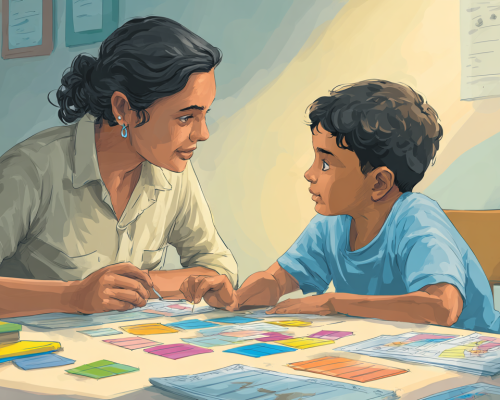
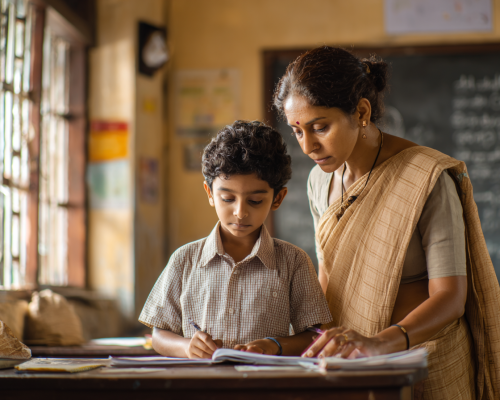
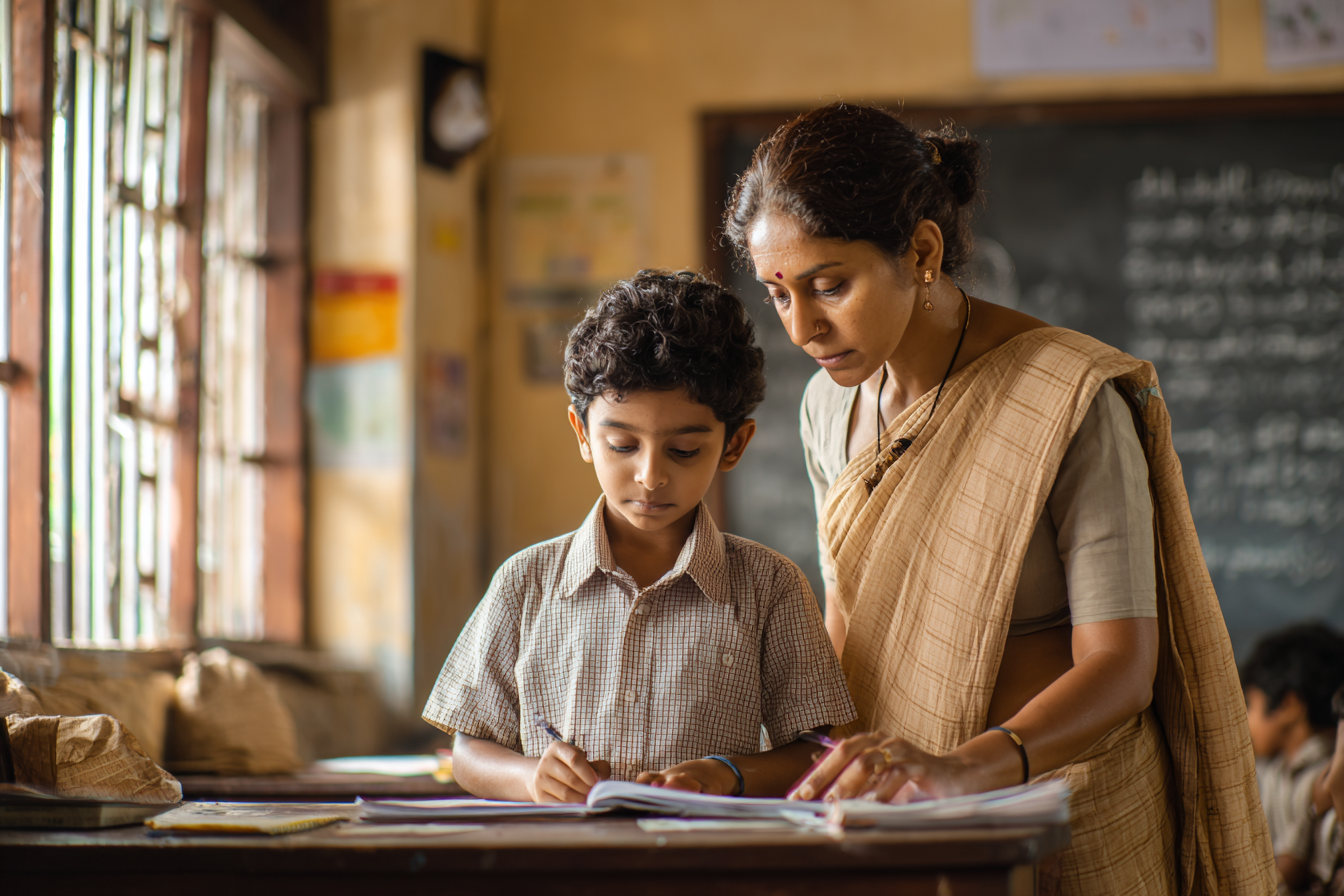
3. One-on-one tutoring
Personalized instruction improves reading faster.
4. Assistive technology
Tools like:
Text-to-speech apps
Audiobooks
Speech recognition software
Can Specialized Tutoring Cure Dyslexia?
Specialized tutoring cannot cure dyslexia, but it can dramatically improve reading ability.
Evidence-based tutoring methods include:
Orton-Gillingham method
Structured literacy programs
Multisensory phonics instruction
Children receiving structured tutoring often show significant improvement in reading accuracy and comprehension.
How to Teach a Dyslexic Child to Read
Effective teaching strategies include:
✔ Break words into sounds (phonics)
✔ Use visual aids and color coding
✔ Allow extra reading time
✔ Encourage audiobooks
✔ Use repetition and practice
✔ Keep lessons short and engaging
Positive reinforcement is critical for confidence.
Latest Research on Overcoming Reading and Writing Challenges
Recent studies show promising developments.
Researchers are exploring:
AI-based dyslexia screening tools
Eye-tracking technology for early detection
Gamified online tests to identify dyslexia early
One study using machine learning and eye-tracking achieved over 88% accuracy in detecting dyslexia patterns.
Technology-based learning tools and apps are also becoming effective support systems for dyslexic students.
Dyslexia Treatment Programs Available in India
India has several specialized programs and therapy centers that help children with dyslexia.
Common programs include:
1. Orton-Gillingham approach
Widely used structured literacy method.
2. NIOS & CBSE accommodations
Students with dyslexia receive:
Extra exam time
Use of scribes
Alternative evaluation methods
3. Special education therapy
Provided by learning disability centers and therapists.
4. Speech and language therapy
Helps with phonological awareness.
Many special education centers in India also offer IEP-based intervention programs (Individualized Education Plans).
Best Careers for People with Dyslexia
Many successful people with dyslexia excel in creative and analytical fields.
Common career paths include:
Entrepreneurship
Graphic design
Architecture
Engineering
Filmmaking
Sports
Business leadership
Interestingly, research suggests up to 40% of entrepreneurs may have dyslexia, highlighting strengths in creativity and problem-solving.
Final Thoughts
Dyslexia is not a disease to cure, but a learning difference that requires the right educational support.
With early intervention, specialized tutoring, and modern assistive technology, children with dyslexia can:
Become confident readers
Perform well academically
Build successful careers
Many dyslexic individuals also develop exceptional creativity, problem-solving ability, and innovative thinking.