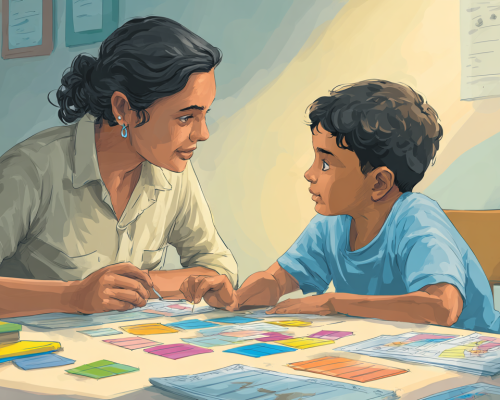
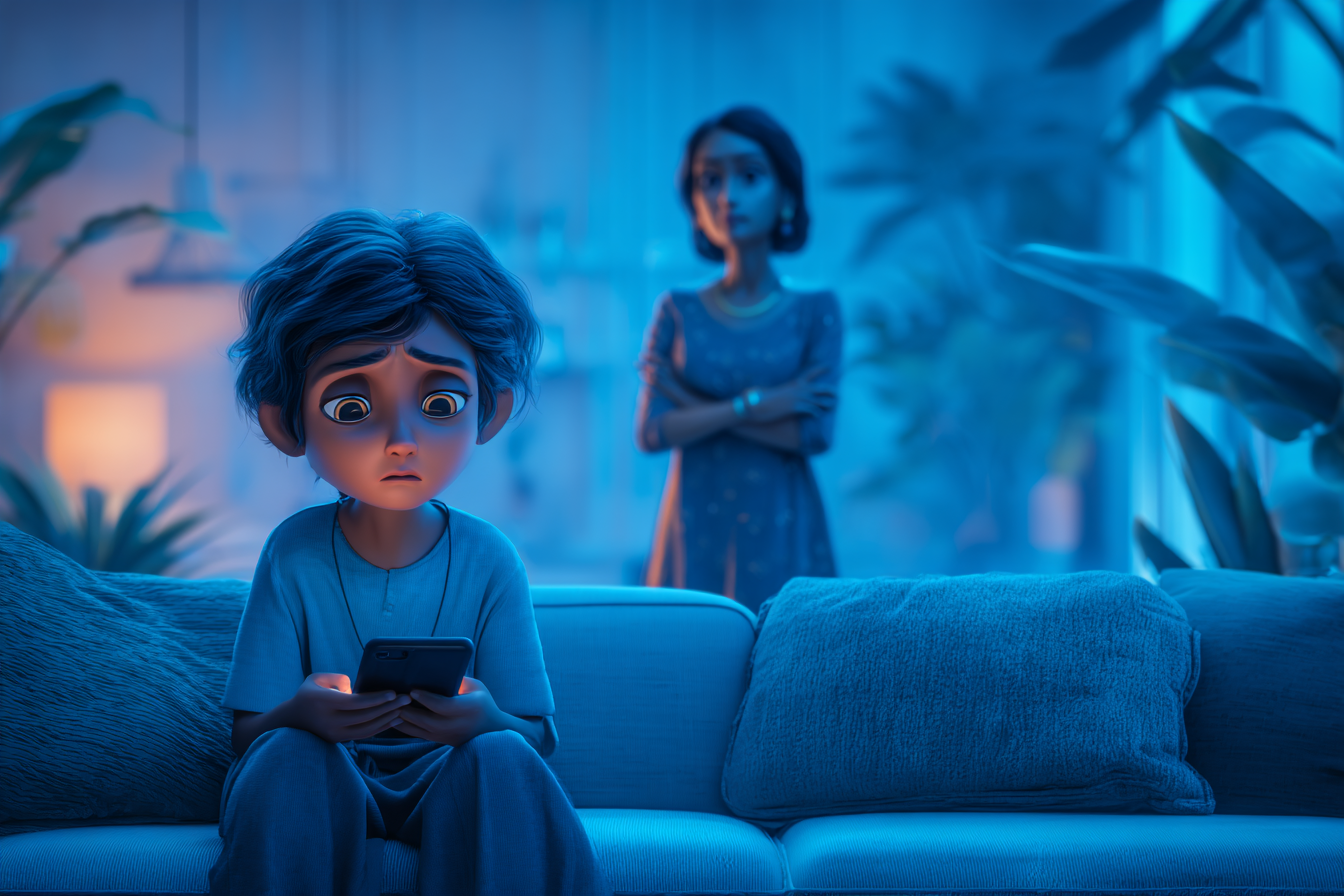
Virtual autism refers to a pattern of developmental delays and autism-like behaviors observed in some young children who have experienced excessive screen time during critical brain development stages — especially between ages 0–3.
Unlike Autism Spectrum Disorder (ASD), which is a recognized neurodevelopmental condition with genetic and neurological foundations, virtual autism is believed to be largely environmentally influenced, particularly by:
- High screen exposure
- Limited face-to-face interaction
- Reduced language stimulation
The developing brain depends heavily on real-world engagement to build communication, emotional regulation, and social skills.
Autism Statistics (For Context)
Understanding autism prevalence helps clarify the discussion:
- The CDC (2023) reports that 1 in 36 children in the United States is diagnosed with Autism Spectrum Disorder.
- The World Health Organization (WHO) estimates that 1 in 100 children worldwide has autism.
- The WHO recommends:
- No screen time under age 2
- No more than 1 hour per day for children ages 2–5
However, multiple studies show that many toddlers exceed these limits, increasing concern about screen-related developmental delays.
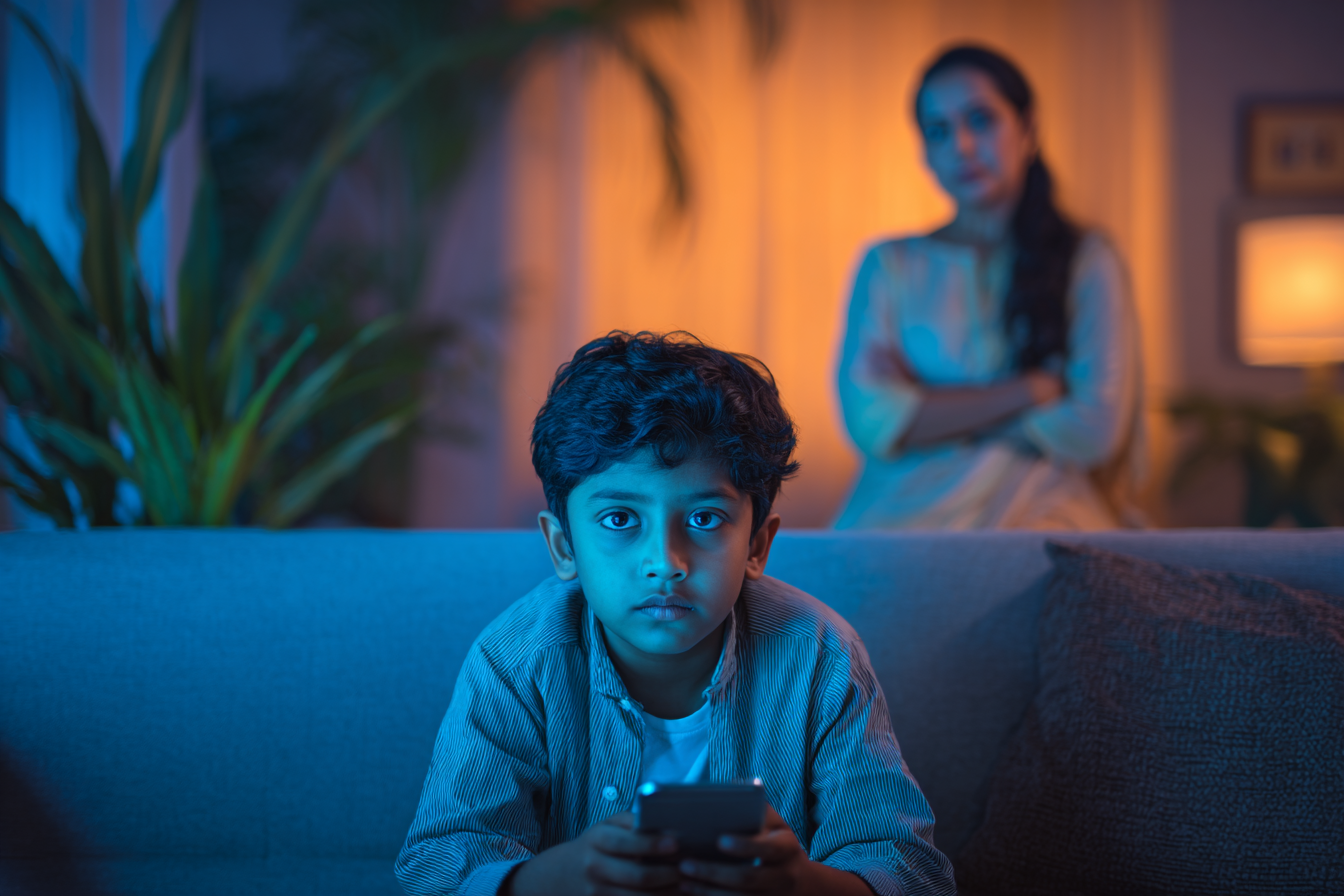
Top 10 Symptoms of Virtual Autism
Children described as having virtual autism may show:
- Delayed speech or minimal vocabulary
- Poor or inconsistent eye contact
- Not responding to their name
- Limited interest in social interaction
- Repetitive behaviors (spinning objects, hand flapping)
- Short attention span
- Strong attachment to screens
- Meltdowns when devices are removed
- Limited pretend or imaginative play
- Reduced facial expressions or social smiling
These symptoms closely resemble autism, which is why professional assessment is essential
Difference Between Autism and Virtual Autism
Feature | Autism (ASD) | Virtual Autism |
Official medical diagnosis | Yes (DSM-5) | No |
Root cause | Genetic & neurological | Suspected environmental |
Brain wiring differences | Present | Not clearly established |
Lifelong condition | Yes | Often reversible with intervention |
Screen time as cause | No | Considered a key factor |
The most important distinction:
Autism is a neurodevelopmental disorder present from early brain development. Virtual autism is believed to result from environmental overstimulation and reduced human interaction.
3 Main Causes of Virtual Autism
While more research is needed, experts often point to three major contributors:
1. Excessive Early Screen Exposure
Extended passive viewing during infancy limits real-world learning experiences.
2. Reduced Human Interaction
Language and emotional skills develop through conversation, facial expressions, and physical play — not screens.
3. Overstimulation from Fast-Paced Digital Content
Rapid scene changes, bright lights, and constant sensory stimulation may impact attention and self-regulation.
How Long Does Virtual Autism Last?
If symptoms are primarily environmental:
- Improvements may begin within a few weeks after reducing screen time.
- Significant developmental progress is often seen within 3–12 months.
- Earlier intervention (before age 5) produces better outcomes.
If symptoms persist despite lifestyle changes, a full developmental assessment is necessary to rule out ASD.
Virtual Autism Recovery Time
Recovery depends on:
- Child’s age
- Duration of screen exposure
- Level of parental engagement
- Access to therapy
Some anecdotal reports suggest:
- Improved eye contact within 1–2 months
- Speech progress within 2–4 months
- Noticeable behavioral regulation within 6–12 months
These improvements do not apply to true autism, which is not caused by screen exposure.
Age Limit: When Is Risk Highest?
The most sensitive developmental window appears to be:
- 0–3 years old (critical brain growth period)
- Under age 5 remains highly sensitive to environmental input
After age 6, the brain becomes more structured, and patterns may be harder to reverse.
Is Virtual Autism Curable?
Since it is not an official diagnosis:
- If symptoms are environmentally driven, they are often reversible
- Reduced screen time + enriched interaction can lead to substantial recovery
However:
- Autism Spectrum Disorder is not curable, but it is manageable with early therapy and structured support.
Proper diagnosis is crucial before making assumptions.
Can High IQ Look Like Autism?
Yes, in some cases.
Gifted children may:
- Prefer independent activities
- Have intense interests
- Show uneven skill development
- Struggle socially due to asynchronous growth
Some children may be “twice-exceptional” (both gifted and autistic). A comprehensive evaluation helps differentiate between giftedness, social anxiety, developmental delay, and autism.
Virtual Autism Success Stories (Anecdotal Reports)
Parents and therapists have reported cases where:
- Non-verbal toddlers began speaking within months after screen elimination
- Eye contact improved dramatically with daily parent-child play
- Meltdowns reduced significantly after device restrictions
- Children no longer met autism-like criteria after consistent intervention
While promising, these accounts require further scientific validation.
What Parents Can Do
If you’re concerned about your child:
- Eliminate or drastically reduce screen time.
- Increase face-to-face communication.
- Read aloud daily.
- Encourage outdoor play and sensory exploration.
- Seek professional evaluation from:
- Pediatricians
- Developmental specialists
- Speech therapists
Many families also explore structured learning environments or therapy centers. For example, parents searching for the best special education kochi offers often look for programs that combine speech therapy, behavioral support, and interactive learning to help children regain developmental skills.
Early action significantly improves outcomes.
Final Thoughts
Virtual autism is a debated concept describing autism-like behaviors potentially linked to excessive early screen exposure. While it is not a formal diagnosis, the overlap in symptoms highlights the importance of early childhood interaction and limited digital stimulation.
Key takeaways:
- Autism (ASD) is a recognized neurodevelopmental condition.
- Virtual autism is considered environmentally influenced.
- Early intervention can dramatically improve screen-related developmental delays.
- Professional evaluation is essential for accurate diagnosis.
If you’re concerned about your child’s development, don’t rely solely on online information — consult a qualified professional. Early guidance and structured support can make a lasting difference.